Enhance your home’s charm with beautiful timber windows
Why choose timber windows for your home
Timber windows combine visual warmth, repairability, and long-term value in a way aluminium and uPVC cannot match, which is why many homeowners prefer them. If your priority is a period-accurate look, improved thermal comfort, and the option to repair rather than replace, timber windows are a strong choice. A practical decision rule is to choose timber when you want a service life over 30 years with routine maintenance, or when your property sits in a conservation area where planning preference often favors wood.
Types of timber windows and how to choose
Pick a window type based on opening pattern, heritage requirements, and maintenance tolerance. Casement windows provide good ventilation and cost-efficiency; sash windows match Georgian and Victorian properties but need balancing hardware; tilt-and-turn offers modern airtightness with easy cleaning. Use this selection workflow: identify period style, confirm opening need, check planning constraints, then choose glazing and hardware. Measuring the sash stack and sightlines early prevents costly reorders and ensures authentic proportions for timber windows.
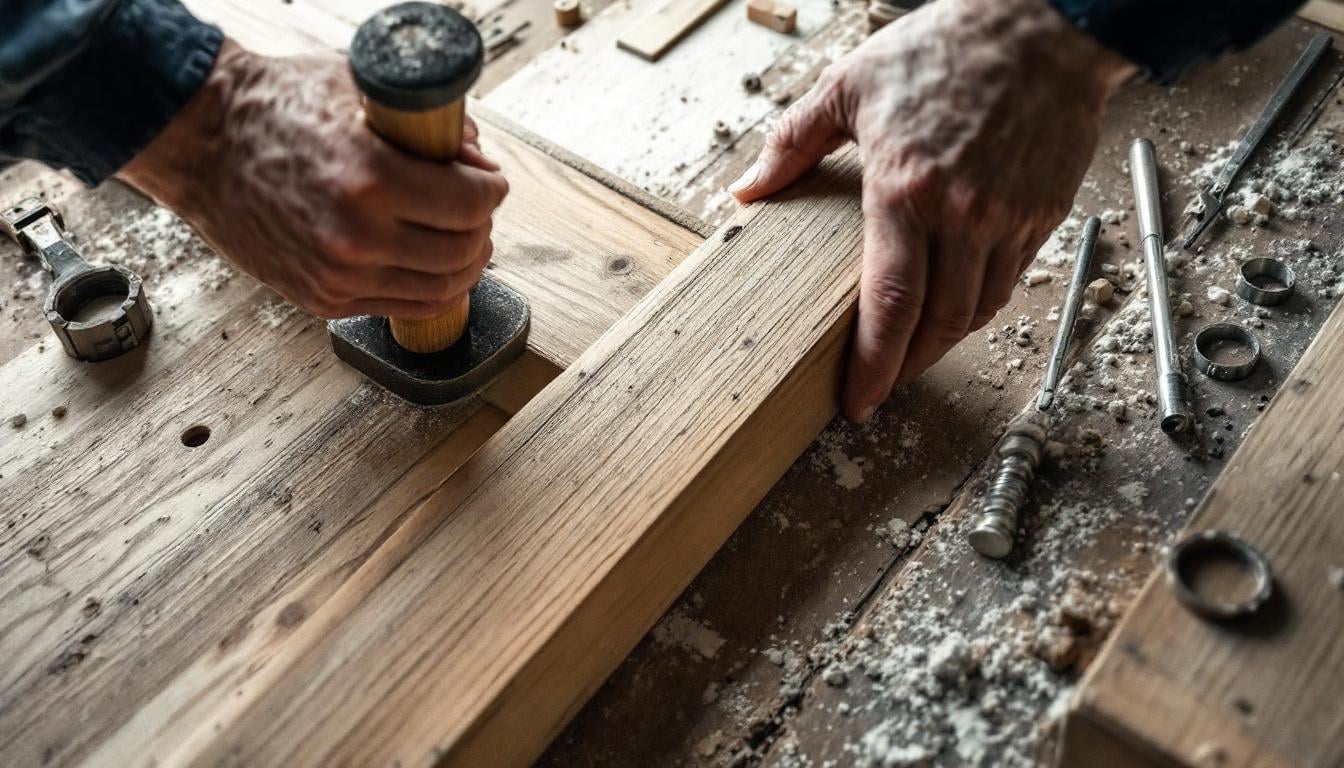
Casement windows: profile, performance, and trade-offs
Casement timber windows hinge at the side and offer the best natural ventilation and simple hardware. They are easier to seal tightly than sashes, which helps thermal performance. Trade-offs include sightline width and potential for external obstruction when open. For retrofit, specify overlap casements with compressible weather seals and a target U-value range of 1.2 to 1.6 W/m2K depending on glazing choice, while confirming heritage requirements.
Sash windows: authenticity vs maintenance
Vertical sliding sash windows deliver authentic period appearance but introduce moving parts that require servicing. Expect hardware maintenance every 3 to 5 years, and plan for rope or spring balance replacement within a 10 to 15 year window. If authentic sightlines and original proportions matter, sash windows are the right trade-off; if you want lower maintenance and higher airtightness, consider slim-line casements that mimic period profiles.
Timber species and material choices
Different timber species vary in durability, stability, and cost. Softwoods like European pine are economical and dimensionally stable when kiln-dried, while hardwoods such as oak or sapele deliver greater durability and attractive grain but at higher cost. Decision criteria should include expected exposure, finishing method, and budget. Specify kiln-dried material with moisture content under 15 percent for external windows to reduce shrinkage and painting defects over time.
Selecting finishes and paint systems
Finish choice affects longevity and appearance. A high-quality solvent or acrylic-based primer and topcoat system with two topcoats is standard for external timber windows. Anticipate repainting cycles of 5 to 7 years in exposed London locations and every 7 to 10 years in sheltered spots. Include a maintenance schedule in your specification so that finish warranties and expected intervals are clear to future owners.
Glazing options and thermal performance
Choosing glazing is a trade-off between appearance and performance. Slim double glazing preserves original sightlines while achieving typical U-values around 1.2 to 1.6 W/m2K; triple glazing can reach 0.8 to 1.1 W/m2K but thick units alter profile depth. For retrofit projects prioritize high-performance double glazing with warm edge spacers if you need to maintain traditional proportions while improving energy efficiency in timber windows.
Acoustic and security glazing choices
If traffic noise is a concern, specify laminated or acoustic-rated glazing; typical improvements are 20 to 30 dB reduction depending on construction. For security, choose multipoint locking hardware and laminated glass to resist impact. The practical approach is to define acceptable noise levels in dB at the planning stage and match glazing type and hardware grade accordingly to ensure timber windows meet both comfort and safety requirements.
Hardware: balancing look and function
Hardware affects the user experience and longevity of timber windows. Brass or stainless components resist corrosion and maintain period appearance; multipoint locks improve security and airtightness. Quick setup advice is to select hardware keyed to the window type early in the specification, and to budget 5 to 10 percent of window cost for premium ironmongery. One pitfall is buying cheaper hardware that causes premature wear, the fix is specifying tested hardware with a 10-year mechanical warranty.
Design decisions that drive cost
Cost drivers include size, complexity of glazing bars, special profiles, and finish. A practical cost decision framework is to prioritize by visual impact: invest in high-quality frames and hardware for visible elevations, and use simplified profiles at rear elevations to control spend. When cost estimates are provided, ask for itemized line items for frame, glazing, hardware, and installation so you can trade off options like sash recreation or slim double glazing.
Installation best practices and common pitfalls
A correct installation follows a sequence: measure and template, prepare structural opening, fit frame with packers and level check, seal externally with breathable flashing, and finish internal trim. A common pitfall is poor sealing at the reveal leading to drafts and water ingress; the fix is to use compressible foam seals, backer rod, and through-color sealants while also verifying flatness within 3 mm across the frame perimeter before fixing. Record post-installation air leakage readings where possible.
Retrofit vs full replacement: a decision guide
Decide between retrofit and replacement based on timber condition, thermal targets, and restrictions. If frames are sound and rot is localized, retrofit with new sashes or slim double-glazing retains character and reduces cost. Use a decision metric: if more than 30 percent of a frame requires replacement, plan for full replacement. This rule helps choose the most cost-effective path while preserving original fabric where practical.
Regulations, planning and conservation area considerations
Local planning rules often influence timber window specification, especially in conservation areas where uPVC is commonly refused. Check with your local planning authority early and obtain pre-application advice where possible. Include existing elevations and material samples in any application. A practical permit checklist is to confirm Article 4 directions, list any listed-building consents, and prepare a heritage impact statement if requested.
Sourcing sustainably and certification
Specify certified timber to reduce environmental risk; look for FSC or PEFC chain-of-custody certification. Decision criteria include the percentage of certified material required and the proximity of suppliers to reduce embodied transport carbon. A practical target is to request at least 80 percent certified timber by volume in your contract and to ask suppliers for evidence of sourcing on initial quotations.
Maintenance schedule and practical upkeep
A simple maintenance routine extends service life: annual visual checks for joints and finish, touch-up paint where hairline cracks appear, and full repainting every 5 to 7 years in exposed London environments. Keep a maintenance log with dates and work performed; this raises resale value and avoids expensive repairs. Include this schedule in handover documents and the warranty to set clear expectations for future owners.
Measuring success with clear KPIs
Track measurable outcomes after installation: target a U-value improvement, percentage reduction in cold spots, and a drop in annual heating use. Practical KPIs include achieving the specified U-value, a measured reduction of drafts in affected rooms by at least 50 percent, and a 10 percent or greater reduction in heating energy for the treated area, assuming similar occupant behaviour. Use thermographic imaging and occupant comfort surveys to validate results.
Mini-case: retrofit of period terrace windows (assumptions stated)
One homeowner in a Victorian terrace chose slim double glazing and refurbished existing frames. Assumptions: eight windows, prior single glazing, and no structural decay. After work, the homeowner reported an estimated indoor temperature increase of 1.5 degrees in winter rooms and a perceived draft reduction of 60 percent. These assumed outcomes show that targeted retrofit of timber windows can deliver measurable comfort improvements without full frame replacement.
Mini-case: full replacement on a remodelled rear elevation
A renovation included full replacement of rear elevation windows to improve airtightness and create consistent sightlines. Assumptions: new timber frames with double glazing, modern multipoint locks and a warm-edge spacer. The project achieved an estimated 12 percent reduction in heating demand for the open-plan area and eliminated recurrent rot repairs. This demonstrates that full replacement is justified where frames are significantly decayed or where thermal targets require new construction.
Choosing the right supplier and contract terms
When selecting a supplier, ask for an itemized quote, materials certification, hardware warranties, and a clear schedule with lead times. Include acceptance criteria in the contract such as acceptable tolerance levels, finishing specs, and post-installation snagging procedures. A practical procurement metric is to require a 10 percent retention until satisfactory completion of snagging to ensure issues are fixed promptly after handover of timber windows.
Costs, budgeting and lifetime value
Budgeting for timber windows requires balancing upfront cost with lifetime value. Account for frame quality, glazing performance, hardware and installation. A decision criterion is to amortize cost over expected service life: a more durable timber window with proper maintenance can cost more initially but often requires less replacement expense over 30 to 40 years. Request whole-life costing from suppliers to compare options rather than simply comparing upfront prices.
Common pitfalls and fixes during specification
Common mistakes include underspecified seals, mismatched sightlines, and unclear scope for preparing structural openings. Fixes are practical: detail seals and flashings in the specification, provide elevations with exact sightline heights, and clarify who removes and reinstates internal trims. Insist on a pre-installation site check by the supplier to verify dimensions and reveal conditions to avoid costly on-site alterations during installation of timber windows.
Visualizing the result: drawings and samples
Require scale drawings and finish samples before manufacture. Mock-ups or a single sample window installed temporarily give clarity on profile, finish sheen, and hardware interaction. A practical test is to approve a single unit on-site to verify paint color and sightlines in natural light before batch production. This reduces mismatches and ensures the final installed timber windows align with your visual expectations.
Quick takeaways and direct actions
Timber windows offer long-term value, authentic appearance, and repairability; prioritize quality frames and hardware for main elevations. Choose slim double glazing where sightlines matter and consider triple glazing only where profiles allow. Use a decision metric: replace frames if more than 30 percent is decayed, otherwise retrofit. Insist on certified timber and an itemized contract with clear acceptance tests. Schedule maintenance every year and repaint every 5 to 7 years to preserve finish and performance.
Conclusion and next steps
Timber windows are a practical, investable upgrade that enhances a property’s character and performance when specified with clarity and maintained correctly. Start by defining your priorities – authenticity, thermal performance, or low maintenance – then request detailed, itemized quotes and material certification from suppliers. If you want a targeted assessment and fixed-price estimate, get a free quote at Brothers joinery.conctactus.com to compare retrofit and replacement options. The concrete next step is to arrange a site survey and a written specification so you can compare whole-life costs and timelines before committing.
Frequently Asked Questions
How energy efficient are timber windows compared to other options?
Timber windows with modern double glazing can achieve U-values typically between 1.2 and 1.6 W/m2K, improving energy performance over single glazing. Slim double-glazed timber windows balance historic sightlines and thermal gains, while triple glazing improves thermal performance further but may alter visual proportions.
How often should timber windows be repainted or maintained?
Expect repainting cycles of around 5 to 7 years for external timber windows in exposed urban locations, with annual visual checks for joints and seals. A documented maintenance schedule reduces long-term repair costs and helps preserve the finish and performance of timber windows.
Can timber windows be installed in conservation areas?
Yes, timber windows are often the preferred option in conservation areas because they match historic materials and sightlines. Before work, check local planning and any Article 4 directions and include heritage-sensitive details in your specification for timber windows.
Are slim double-glazed timber windows better for period properties?
Slim double-glazed units are a practical compromise for period properties, providing improved thermal performance while maintaining narrow sightlines and authentic profiles. They allow retention of original proportions for timber windows without the bulk of standard triple glazing units.
What maintenance tasks should I log after installing timber windows?
Record annual inspections, dates of touch-up painting, hardware servicing and any sealant replacements in a maintenance log. Keeping these records helps demonstrate upkeep when selling and ensures timber windows reach their expected service life.
How do I decide between retrofit and full replacement for timber windows?
Use a simple rule: if more than 30 percent of the frame requires replacement due to decay, choose full replacement; otherwise consider retrofit options like new sashes or slim double glazing. This decision balances cost, authenticity, and long-term performance of timber windows.