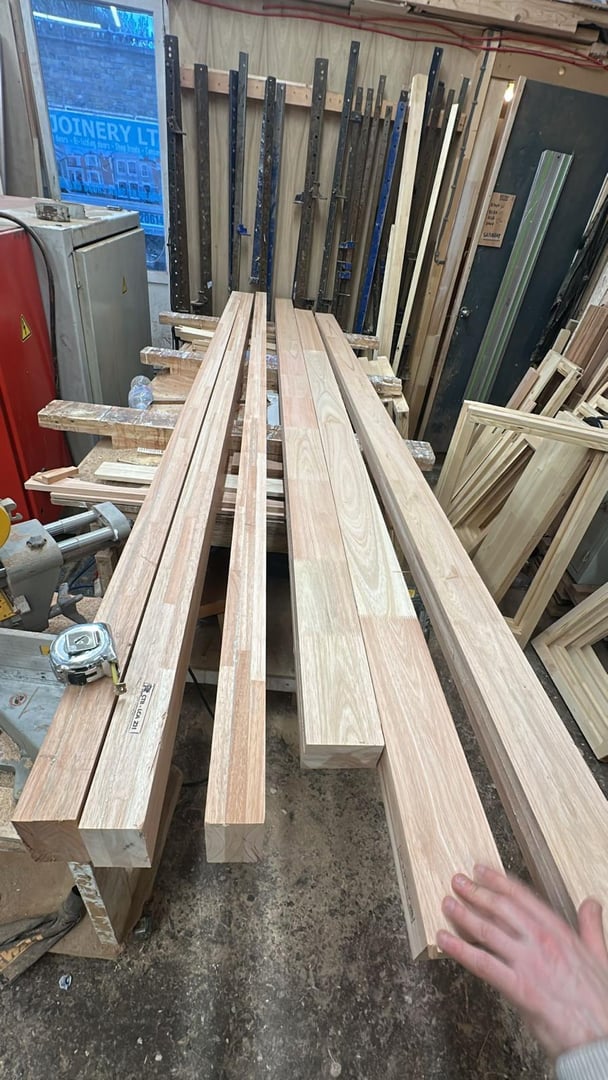
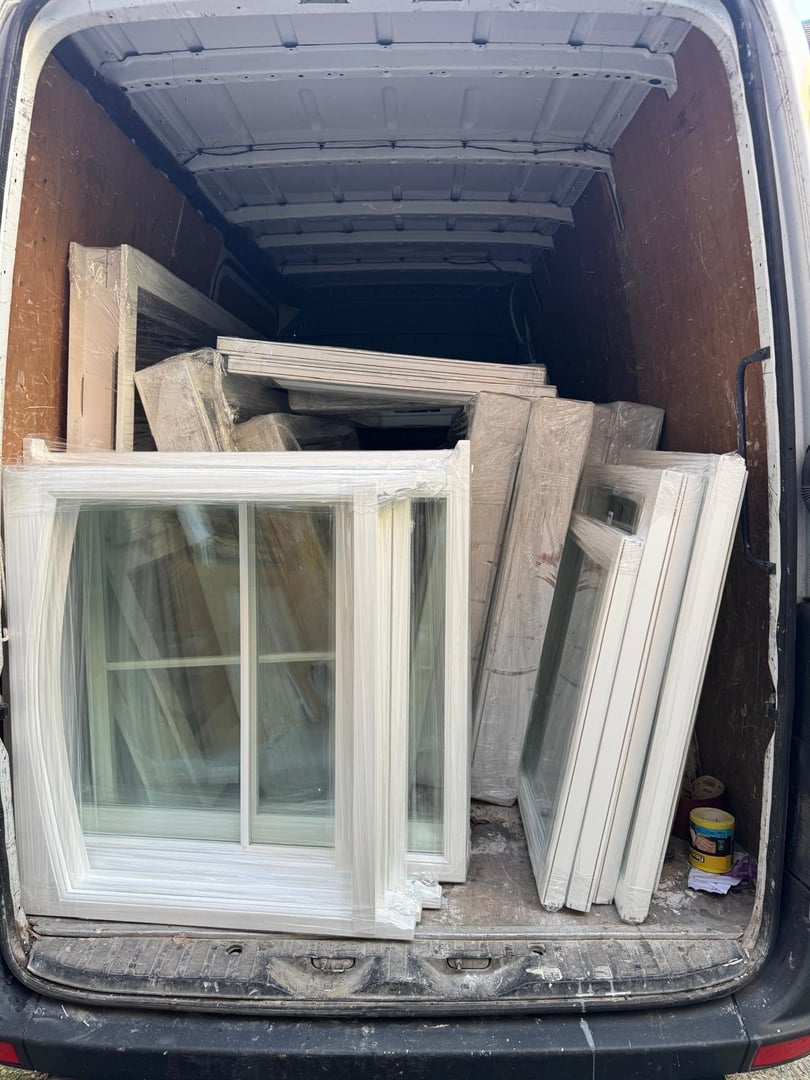
Elevate your home’s style with bespoke joinery solutions
Introduction: why bespoke joinery changes a home
Quality joinery is one of the fastest ways to change how a room feels without a full renovation. This article walks through how bespoke timber windows, doors, and fitted joinery transform proportion, light, and function. You will get actionable steps from design brief to handover, cost drivers and realistic timelines, plus decision rules for timber choice and finishes. If you are comparing quotes or planning a period restoration, the guidance here will help you decide which joinery specification returns the most visual and long-term value.
What bespoke joinery actually delivers to a home
Bespoke joinery combines custom proportions, material selection and craft to match architecture and lifestyle. Expect measurable outcomes: improved thermal performance for timber windows of 10-30 percent over single-glazed originals, reduced drafts, and up to 15 percent increase in perceived property value in targeted improvements. The design choices control trade-offs: exact historical profiles raise cost and lead time, while simplified profiles give faster installation and similar daylight benefits.
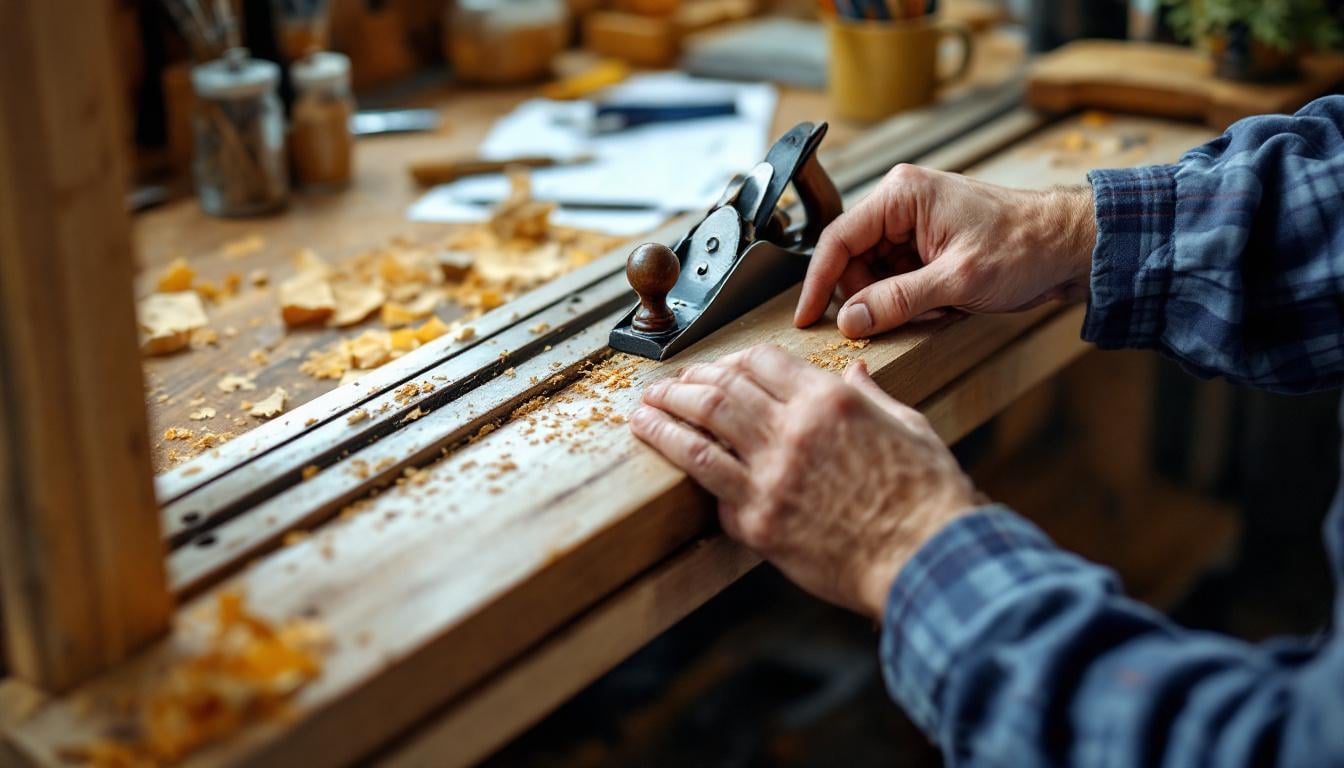
Key long-tail terms and related phrases to watch
As you research, look for phrases that capture buyer intent: bespoke timber windows London, custom joinery for period homes, fitted kitchen joinery, timber door restoration cost, joinery installation checklist, and energy efficient wooden windows. These long-tail keywords guide questions to ask suppliers, like warranty length, timber species, and U-value targets. Using these terms in your brief and in search queries improves the quality of quotes and helps you find specialists for your project.
Choosing the right timber – species, durability and cost trade-offs
Choose timber based on exposure, finish and budget. Hardwood like oak or sapele resists wear and works well for doors and high-contact cabinetry, but costs 20-40 percent more than common softwoods such as redwood or European pine. For external windows, select timbers rated for wet exposure and specify a minimum 40 mm dimension for sashes to allow for machinery tolerance and long-term planing. Decision rule: if the item faces direct rain, prioritise durability over initial cost; if internal, optimise for grain and paintability.
Common timbers and their trade-offs
European oak offers great durability and is ideal for doors and staircases where impact resistance matters, but its open grain needs careful finishing. Scots pine is economical and machines well for painted windows. Larch and Accoya-type modified timbers have higher initial cost but lower maintenance schedules. For each choice, request a maintenance projection – for example, painted softwood windows might need redecoration every 6-10 years, while modified timbers can push intervals to 12-20 years.
Design process: from brief to finished joinery
A disciplined workflow reduces rework and keeps lead times predictable. Step 1 – compile a two-page brief: use, dimensions, photos, finish preference and budget range. Step 2 – site survey with measured drawings and tolerance checks. Step 3 – shop drawings and samples for approval, typically within 2-3 weeks. Step 4 – production and quality checks, then installation and snag list completion. Use a decision gate at shop drawing approval to freeze design; changes after this add 15-25 percent to cost and 2-4 weeks to schedule.
Typical project timeline and checkpoints
A mid-size project such as a set of bespoke windows or fitted cabinetry usually follows a 10-14 week schedule: 1-2 weeks for briefing and quotes, 2-3 weeks for design and approvals, 4-6 weeks for manufacture, and 1-3 weeks for site preparation and installation. Track four checkpoints: brief sign-off, shop drawing approval, pre-installation inspection, and final handover. Use measurement tolerances of +/- 2 mm for critical joinery locations to avoid onsite machining.
Budgeting and pricing: what moves the needle
Four variables drive joinery cost: material (timber species), complexity (profiles and mouldings), hardware (locks, hinges, ironmongery), and finish. Expect a basic internal fitted cupboard run at vector cost per metre, while external timber windows with double glazing and bespoke profiles typically cost 2-4 times more per unit. Decision criterion: set a hard material budget and allow a contingency of 10-20 percent for hardware upgrades and on-site adjustments.
Manufacturing methods: traditional craft versus modern tooling
Traditional hand-crafted joinery emphasises period-accurate profiles and complex mouldings, but costs more due to labour intensity. CNC-assisted production offers precise, repeatable parts and reduces lead time for repeat elements. Trade-off: choose CNC when you need consistent tolerances and repeatability, choose hand-finished elements where visual authenticity is critical. A hybrid approach, with CNC milling for components and hand finishing for visible faces, balances cost and aesthetics.
Finishes, coatings and maintenance schedules
Finish choice controls lifespan and appearance. Paint systems with primer and two topcoats typically give 6-10 years before redecorating; oil finishes require touch-ups every 2-4 years but reveal timber grain. Specify factory finish where possible for consistent coating thickness and guaranteed drying conditions. Include a documented maintenance schedule in the contract, with clear redecoration intervals and recommended products to avoid warranty disputes.
Energy performance: how joinery affects thermal comfort
Well-designed timber windows and doors can improve U-values significantly compared to old single-glazed units. A realistic target for replacement timber windows with double glazing is a U-value of 1.4-1.8 W/m2K depending on glazing and frame thickness. Use weatherstripping, multi-point locking and correct installation to limit air permeability – aim for air leakage under 5 m3/hr/m2 at 50 Pa where possible. Trade-off: slimmer sightlines reduce thermal bulk, so pick glazing panes and spacer bars to match thermal goals.
Planning permission and building regulations in London
In London, many listed or conservation area properties need conservation officer approval for external joinery changes. For replacements that retain original profiles, permitted development often applies, but confirm with local authority. Building regulations apply to fire safety, ventilation, and glazing safety. Practical step: before ordering, submit drawings to the planning officer and request written confirmation; failing to do so risks having to retrofit or remove elements at significant cost.
Working effectively with a joiner: briefing and approvals
A precise brief reduces iterations. Provide clear photos, desired palette, functional requirements and a target budget range. Ask for sample sections and a finish mock-up before production. Include acceptance criteria in the contract: tolerances, finish quality, and warranty length. A practical approval practice is to require sign-off on a painted sample and a hardware sample, which cuts the risk of unhappy handovers and extra site visits.
Common pitfalls, and how to fix them on-site
Three frequent issues are inaccurate site dimensions, incompatible hardware, and finish damage during installation. Fix inaccurate dimensions by adding adjustable packers or re-machining rebate depths where tolerances permit. For hardware mismatch, keep a 10 percent spare allowance of hinges and screws on site. Prevent finish damage with protective film and only remove protective layers after final sign-off. Contractual fix: include a snag list tolerance window of 7 days after installation.
Mini-case: period sash window upgrade – measurable outcomes
Team A replaced ten original single-glazed sash windows in a Georgian terrace with bespoke timber sashes and double glazing. Before work, drafty rooms had average internal temperatures 2-3 degrees lower in winter. After installation and draught-proofing, occupants reported reduced drafts and measured internal temperature increase of 1.5 degrees on comparable winter days, with noise reduction of roughly 5-8 dB. Assumption: these measurements are indicative and depend on glazing and installation quality.
Mini-case: fitted joinery for a compact kitchen – cost and delivery
A B2B project fitted a compact kitchen with bespoke timber cabinets to improve storage efficiency. The design reduced clutter and added full-height pantries, moving usable storage volume up by 30 percent within the same footprint. Production lead time was 5 weeks using CNC and hand finishing; costs were 18 percent above a modular run but delivered better material longevity and a custom fit that reduced wasted space by 12 percent compared to standard units. Assumption: percentages reflect typical improvements seen on similar projects.
How to evaluate quotes – a practical decision framework
Compare quotes with a scoring grid: material quality (30 percent), workmanship and warranties (25 percent), timeline (15 percent), finish and hardware (20 percent), and aftercare (10 percent). Request itemised quotes and check that glazing, ironmongery, and finishing are separated. Use the grid to pick the best value rather than the lowest price. If two suppliers score similarly, use warranty length as a tiebreaker – prefer guarantees over 5 years for critical external joinery.
Sourcing and sustainability – certified timber and responsible procurement
Specify sourced timber certified by accepted schemes to ensure legality and traceability. Ask suppliers for mill certificates and chain-of-custody documentation. A practical procurement rule is to require at least one certified species option on the quote, and to score bids higher if they propose recycled or responsibly sourced timber. Balancing sustainability and budget is a decision trade-off: modified timbers cost more upfront but reduce maintenance and potential replacement frequency.
Installation checklist and handover items
Use a standard install checklist: confirm site dimensions, protective floor coverings, power access, final painted samples, hardware kick-off, and a snag list sign-off procedure. Require the installer to provide a handover pack that includes maintenance guidance, warranty documents, and spare parts list. Metric to track: complete all snags within 7 calendar days and verify function tests – seals, multi-point locks, and window operation – before removing site protection.
Aftercare, warranties and long-term return on investment
Plan for ongoing maintenance to protect your investment. A good joinery schedule will extend product life and keep warranties valid. Track repaint cycles and hardware servicing: for example, lubricate moving parts annually, and plan redecoration intervals every 6-12 years depending on finish. Decision metric: compare lifetime cost over 20 years rather than initial price – a higher-quality timber with longer warranty often reduces cumulative cost per year.
Quick Takeaways
– Bespoke joinery improves aesthetics, thermal comfort and storage efficiency while requiring clear briefs and realistic budgets.- Prioritise timber species and finish based on exposure and maintenance capability; expect 10-20 percent lifetime cost differences.- Use a four-stage workflow: brief, survey, shop drawings, production and install to avoid costly changes.- Target U-values and air leakage metrics when replacing windows to measure performance gains.- Score quotes with a weighted grid focused on materials, workmanship and warranties.- Keep a 10-20 percent contingency for hardware and onsite adjustments, and require a clear snag list and handover pack.
Conclusion and next steps
Bespoke joinery is a practical investment that blends material choice, design precision and installation discipline to elevate a home. Use the decision frameworks and timeline checkpoints from this guide to compare suppliers and reduce surprises. If you are ready to move from research to quotes, gather a two-page brief and request itemised proposals with shop drawings and sample finishes. For a streamlined path to pricing and site survey, get a free quote: Brothers joinery.conctactus.com with a brief and photos. If you found this guide useful, please share it with someone planning renovations and leave feedback about which parts you want more detail on – would you like a downloadable brief template or a supplier comparison spreadsheet?
Frequently Asked Questions
What is bespoke joinery and how does it differ from standard carpentry?
Bespoke joinery refers to custom-made timber work tailored to specific dimensions and design requirements, unlike standard carpentry which uses off-the-shelf components. Bespoke joinery includes custom profiles, measured shop drawings and finishes, and it often requires longer lead times and higher craftsmanship.
How much does bespoke timber joinery cost for windows and doors?
Costs vary by timber species, glazing, hardware and complexity; a realistic range is broad, but expect bespoke timber windows with double glazing to cost multiple times more than standard units. When budgeting, include a 10-20 percent contingency for hardware upgrades and on-site modifications.
How long does the joinery design and installation process typically take?
A typical timeline runs 10-14 weeks from brief to completion: 1-2 weeks for quotes, 2-3 weeks for design and approvals, 4-6 weeks for manufacture and 1-3 weeks for installation. Delays often come from late approvals or scope changes after shop drawing sign-off.
What maintenance do bespoke timber windows require to stay in good condition?
Maintenance depends on finish; painted external timber usually needs redecoration every 6-10 years while oil finishes need touch-ups every 2-4 years. Annual checks and lubrication of moving parts help prevent issues and keep warranties valid.
Can bespoke joinery improve thermal performance in older homes?
Yes, replacing single-glazed windows with well-sealed timber windows and double glazing can reduce heat loss and improve U-values. Aim for realistic U-value targets in the range of 1.4-1.8 W/m2K depending on glazing and frame design to see measurable comfort gains.
How do I evaluate joinery quotes to choose the best value?
Use a weighted scoring grid for quotes that includes material quality, workmanship and warranties, timeline, finish and aftercare. Request itemised pricing for glazing, hardware and finishes, and prefer suppliers who provide shop drawings and sample finishes for approval.